Calcium for Chickens: A Tractor Supply Guide to Happy, Healthy Hens
Getting your chickens the right amount of calcium is crucial for strong eggshells, healthy bones, and overall flock well-being. This guide will walk you through how to ensure your chickens receive optimal calcium using products readily available at Tractor Supply, while emphasizing sustainable practices. For more information on chicken care, check out this helpful resource.
Why Calcium is Essential for Your Chickens
Calcium isn't just about strong eggshells; it’s the cornerstone of your chickens' skeletal health. Without sufficient calcium, their bones become weak and brittle, potentially leading to fractures and other health problems. Laying hens, in particular, require a substantial calcium intake to produce eggshells. A deficiency can result in thin-shelled, soft-shelled, or even shell-less eggs, impacting egg quality and potentially compromising your flock's health.
Determining Your Chickens' Calcium Needs
The ideal calcium intake varies greatly depending on several factors:
- Age: Young chicks require less calcium than mature, laying hens.
- Breed: Larger breeds generally need more calcium than smaller breeds.
- Laying Status: Laying hens need significantly more calcium than non-laying hens.
- Environmental Factors: Stressful conditions, and even weather, can influence calcium requirements.
Consult your local feed store expert or a poultry veterinarian for personalized recommendations based on your specific flock. Always check the calcium content listed on your chicken feed labels; this will help determine if supplementation is necessary. Remember, the goal is to provide enough calcium without over-supplementation.
Choosing Sustainable Calcium Supplements at Tractor Supply
Tractor Supply offers various calcium sources. Let's explore sustainable and effective options:
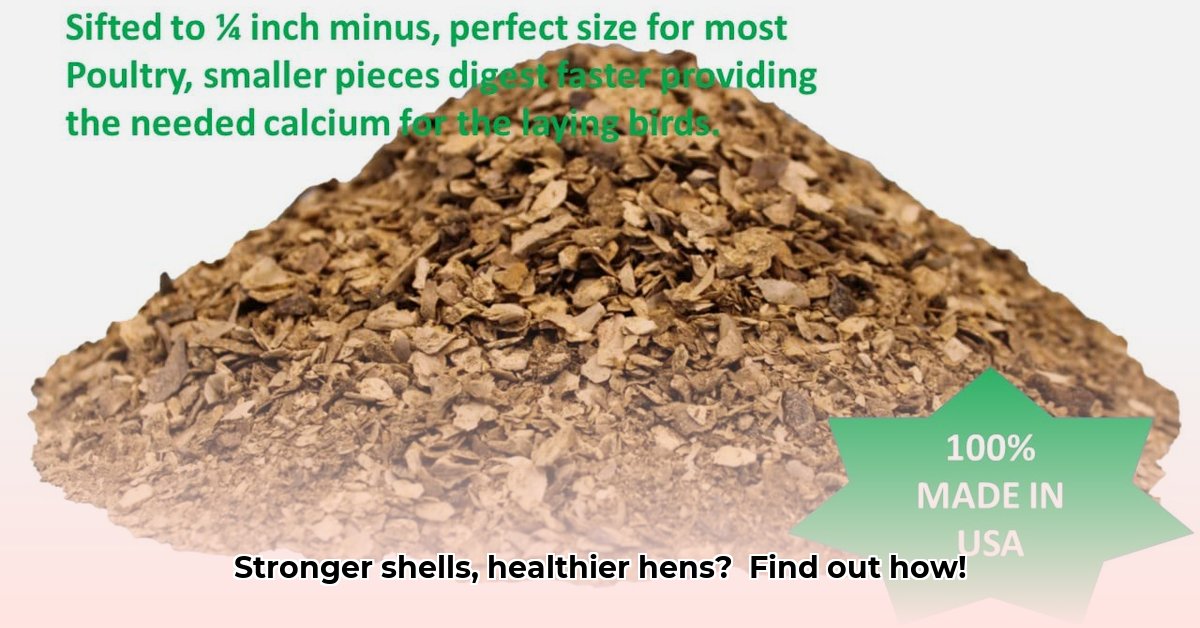
Crushed Oyster Shells
- Pros: Natural, readily available, usually affordable, and highly bioavailable (easily absorbed by chickens). A sustainable choice as it utilizes a byproduct of the seafood industry.
- Cons: Can create messiness, requires frequent refilling. Ensure the oyster shells are sustainably sourced.
Limestone Grit
- Pros: Budget-friendly, a decent calcium source.
- Cons: May be less palatable than oyster shells, may necessitate additional grinding for better digestibility. Environmental impact depends on mining practices – choose responsibly sourced options.
Calcium Carbonate (Powder)
- Pros: Easily mixed into feed, allows precise dosage control.
- Cons: Can be dusty, necessitating careful measurement and handling. Look for organic options for enhanced sustainability.
Calcium-Fortified Feed
- Pros: Extremely convenient, provides complete nutrition.
- Cons: Typically more expensive than separate supplements. The sustainability depends entirely on the feed manufacturer's sourcing and production practices; opt for feeds from producers committed to sustainable agriculture.
Administering Calcium Supplements: Practical Methods
There are two primary methods for supplementing your chickens' calcium intake:
Free-Choice Feeding: Provide a separate container of crushed oyster shells or limestone grit. Chickens will instinctively consume the supplement as needed, similar to a self-regulating system.
Mixing into Feed: For calcium carbonate powder, thoroughly mix the recommended amount (following package instructions precisely) into their regular feed. Ensure even distribution to prevent some chickens from receiving inadequate amounts.
Consistency is key! Don't wait for symptoms of calcium deficiency before supplementing. A constant supply of calcium is preventative and promotes the health of your flock.
Recognizing Calcium Deficiency: Early Detection is Crucial
Observe your chickens for these indicators of potential calcium deficiency:
- Weak, thin-shelled eggs: A primary sign of inadequate calcium intake.
- Soft or shell-less eggs: A severe indication requiring immediate attention.
- Lethargy and weakness: Overall reduced energy levels may point towards a more comprehensive health issue, including calcium deficiency.
- Leg or bone deformities: In chronic, severe cases, skeletal deformities may become apparent.
If you see any of these signs, consult your veterinarian or a poultry expert to address the issue promptly.
Troubleshooting Common Problems
Over-Supplementation: Excessive calcium can lead to health issues, including kidney problems. If you suspect over-supplementation, reduce the amount of supplement provided and monitor your flock closely.
Digestive Upset: If you observe digestive issues after introducing a new calcium supplement, consult your veterinarian. The problem may not be the calcium itself, but another ingredient in the supplement.
By following this guide, you can provide your chickens with the proper calcium for strong, healthy eggs and a thriving flock! Remember to consider the specific needs of your chickens and adjust your approach as needed. Remember that responsible sourcing and sustainable practices are key parts of maintaining a healthy and environmentally conscious flock.